


Protein is definitely the most talked-about nutrient right now, and you can probably rattle off a few reasons why protein is so important. Getting adequate protein is important for providing the body with energy, maintaining muscle mass, having healthy skin and nails, immune function and satiety.
But it’s also super important for brain health, helping to mitigate the risk of dementia. Maggie Moon, a registered dietitian, brain health nutrition specialist and bestselling author of “The Mind Diet: 2nd Edition,” told HuffPost that not getting enough protein is associated with dementia. “We know protein provides the building blocks for neurotransmitters, and that healthy protein foods provide vitamins and minerals essential to brain health,” Moon said.
Scientific research backs this up, showing that older adults with low protein intake and weak muscle strength were likely to show cognitive impairments, with high protein intake offsetting this risk.
But it’s not just getting enough protein that matters; the vast majority of people in the U.S. have that covered. When it comes to lowering dementia risk, the type of protein is key. Here, brain health nutrition experts highlight the very best ones.
General Tips For Lowering Dementia Risk Through Diet
Dementia is complicated, and no one can reduce their risk by 100%; you could be the healthiest human on the planet and the risk is still there. That said, there is a lot you can do to lower your risk.
Dr. Emeran Mayer, a neuroscientist, professor at UCLA’s David Geffen School of Medicine and author of ”The Mind-Gut Immune Connection,” shared that getting regular exercise, maintaining social connections and nutrition all play a role in lowering the risk of dementia.

Ever heard of the MIND diet? This eating plan was created with dementia prevention in, well, mind. It centers around food proven to support brain health (especially foods rich in antioxidants and omega-3 fatty acids) while minimizing foods known to increase the risk of dementia (such as foods high in sugar).
Dr. Chad Edwards, a neuropsychologist who diagnoses dementia, founder of The Dementia League and author of ”MIND Diet Kitchen,” explained that the MIND diet was built upon the same model as the Mediterranean diet (which is linked to slowing cognitive decline by 18%), but without tying it to the Mediterranean region.
“There is a lot of overlap between the Mediterranean diet and the MIND diet, but there are some key differences. The MIND diet is less forgiving when it comes to carbohydrates and dairy, and it has a very strong focus on brain-protective foods like leafy greens and fruit — especially berries — and seafood,” Edwards told HuffPost.
Scientific research shows that following the MIND diet was associated with a slower rate of cognitive decline equivalent to seven and a half years. “The MIND diet has been shown to reduce the risk of developing dementia by 53% when strictly followed and by up to 35% when only partially followed,” added Laura M. Ali, a culinary nutritionist and author of ”MIND Diet for Two.”
The Best Protein Sources For Dementia Prevention, From Best To Better
All four experts we spoke to say that the type of protein you eat regularly absolutely makes a difference in helping lower the risk of dementia. Below are the six absolute best protein sources for lowering the risk of dementia, according to the experts.
1. Salmon
All four experts say that eating seafood is hands down the absolute best protein source for lowering dementia risk — especially fatty fish like salmon, tuna, trout, mackerel and sardines. “Salmon has a super-high concentration of omega-3 fatty acids, which support the health of neurons and lower brain inflammation,” Edwards told HuffPost.
Ali said this too, explaining, “Omega-3 fatty acids help protect brain cells, reduce plaque formation, support communication between neurons and calm inflammation. One to two servings of seafood a week is recommended to support a healthy brain.” Mayer added to this, saying that omega-3 fatty acids also help combat amyloid plaque formation, which is a primary marker of Alzheimer’s disease.
2. Eggs
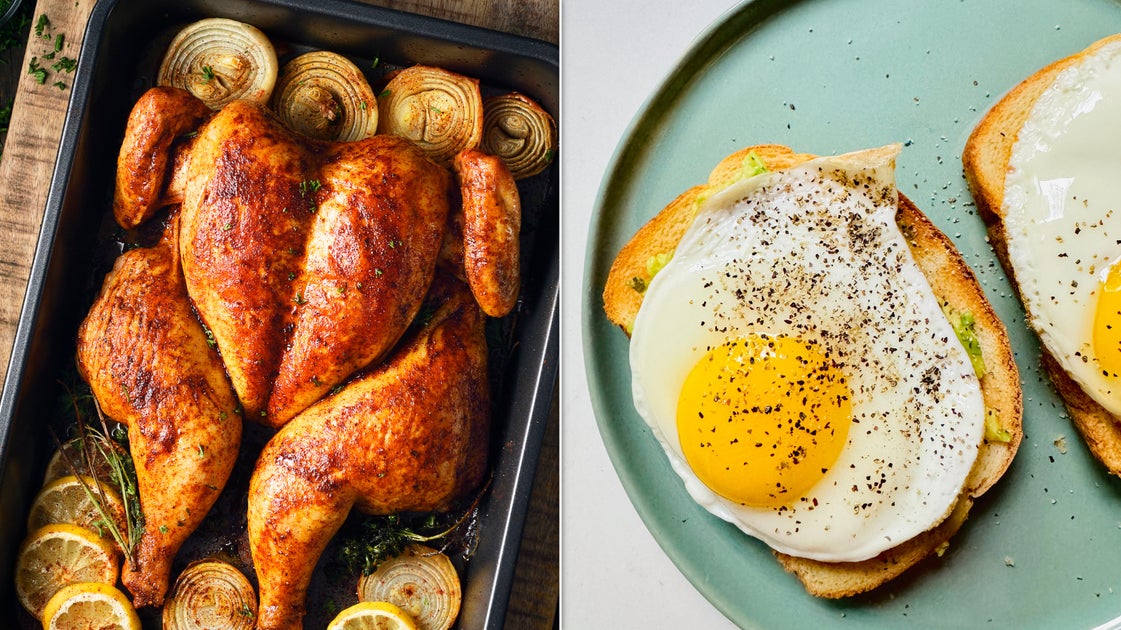
Eggs are another protein source the experts say can lower dementia risk when eaten regularly. “Eating more than one egg a week is linked to lowering dementia risk by 47% compared to people who don’t eat eggs at all,” Edwards said.
He explained that in addition to being a great source of omega-3 fatty acids, eggs are also high in choline, a nutrient that is used to produce the neurotransmitter acetylcholine, which plays a crucial role in memory recollection, attention and learning.
3. Beans
“Beans are one of the most powerful brain foods in your pantry. They are packed with plant protein, fiber for a healthy gut, which is increasingly linked to healthy aging, and antioxidants that may help calm inflammation,” Ali told HuffPost. Mayer also said that supporting gut health (such as by eating fiber-rich foods like beans) is a key way to lower dementia risk. To his point, a 2022 study showed that gut imbalances play a major role in developing dementia. With this in mind, what’s good for the gut is good for the brain, and fiber-rich foods like beans are a prime example of that.
Moon also said that beans are a top protein for brain health because they’re high in polyphenols (which reduce brain inflammation), B vitamins that lower neurotoxins and amino acids that support brain metabolism.
Mayer pointed out that eating beans improves blood flow due to their fiber, potassium and magnesium content, and also because they reduce LDL cholesterol. This isn’t just good for your heart; better blood flow means more oxygen and nutrients are getting to the brain, too, which is key to keeping it functioning properly.

4. Soy
Soy is another plant-based protein source that all four experts say is a great one for supporting brain health. A 2025 scientific study published in Frontiers in Nutrition involving more than 68,000 people found that people who ate soy had a 14% reduction in major neurocognitive disorders compared to people who didn’t eat soy. That means consuming tofu, tempeh, edamame and soy milk can all play a meaningful role in mitigating dementia risk.
5. Walnuts
All four experts say that nuts and seeds are an excellent food to eat regularly because they’re high in both protein and those brain-protective omega-3s. Edwards called out walnuts specifically as an especially great protein source because they’re the nut highest in omega-3 fatty acids.
In addition to protein and omega-3 fatty acids, walnuts have polyphenols and vitamin E, which help lower brain inflammation — another reason why they’re an amazing protein source for your brain.
6. Chicken
While all four experts say that it isn’t recommended to eat fatty cuts of meat regularly if you want to lower your dementia risk, they say lean protein sources, like chicken, can be beneficial. Not only is chicken high in protein, but Edwards said it’s a good source of creatine, which is directly linked to supporting cognitive health and memory.
“Meat is a good source of many essential nutrients, including vitamin B12, zinc and iron. Look for meat that is labeled at least 90% lean,” Ali added.
Wondering what protein sources you should minimize? Moon and Ali both say that meats high in saturated fat (like pork and beef) or that are ultra-processed (like deli meat, sausage and bacon) can all increase the risk of dementia when eaten regularly. Even though these types of meat are high in protein, they’re also high in saturated fat, which increases the risk of dementia when eaten excessively.
Ali emphasized that this doesn’t mean you can never have them. Just don’t make them your go-to proteins.
Instead, stick to prioritizing plant-based proteins, seafood and eggs. That way, you’ll be supporting your brain health both now and in the future.