


When I was 7 years old, my family immigrated to Plano, a city in the outskirts of Dallas, where I quickly learned something that a lot of people don’t often realize: Texas is one of the most diverse places in the country.
On Sundays, we’d go to a Singaporean café, often with my parents’ friend group, which consisted of immigrants from China, Brazil, India, and even the Netherlands. Still, we were keenly aware there was plenty of bigotry, too. We saw it on our TVs, occasionally in person, and definitely whenever we drove outside of the liberal strongholds.
But overall, we lived with a sort of cognitive dissonance. Although we knew the people governing the state were conservative, our everyday lives reflected an array of cultural expressions and values.
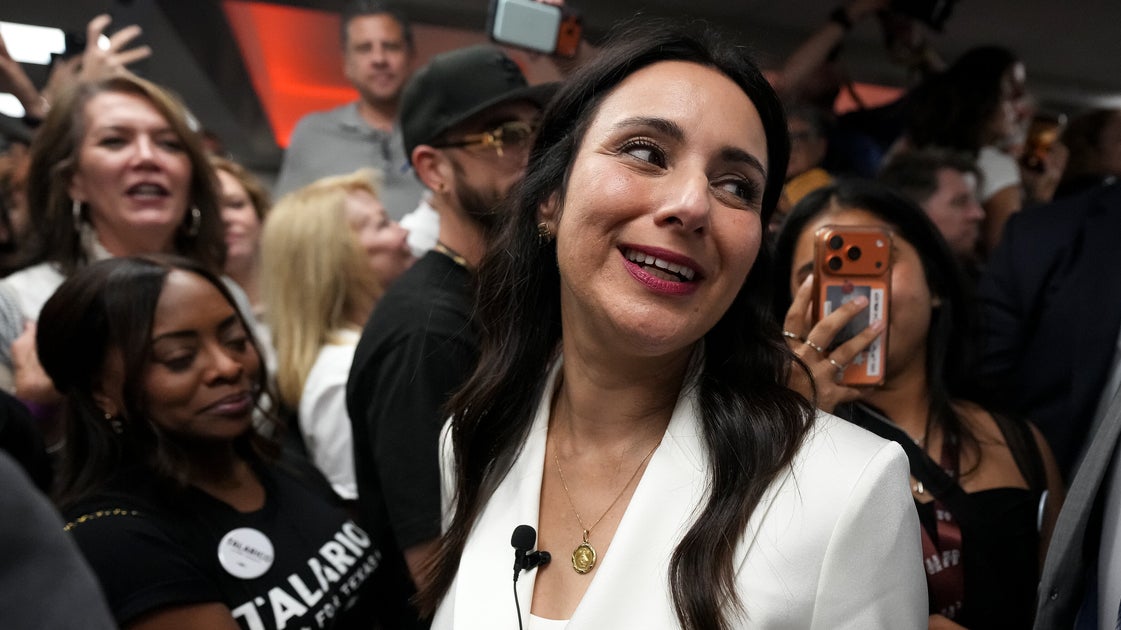
Fast forward to 2026. The results of yesterday’s midterm elections have finally revealed a version of Texas that I’ve always known existed. For the first time in decades, Texas has turned blue, electing Gina Hinojosa as the state’s first Democratic governor since 1995 and James Talarico as the first Democratic U.S. senator from the state since 1993.
Although many of us are shocked it happened this fast, we also knew it was only a matter of time.
This time, Latino voters helped turn Texas blue. In parts of the state that had swung for Trump just two years ago, many Latinos voted Democratic this time around, many of them frustrated by the economy and the treatment of Latino immigrants. Their vote mattered, especially when you consider that Latinos make up about 40% of the state’s population.
Why this diversity hasn’t always been reflected in the state’s politics is a complex question that includes the fact that the Latino community itself is deeply divided over issues like immigration and religion, and demographics don’t always translate into political power. In my personal life growing up in Texas, many of the immigrants I knew couldn’t vote, since they were in the U.S. on temporary visas or green cards, while some were undocumented. But their children, my generation, were either born in the U.S. or became naturalized at some point. The communities that were already there are now gaining a stronger political voice.
Then there are all the businesses and people that have arrived in Texas in recent years, many relocating from California and helping reshape the state’s demographics (although how much they’re changing the state’s politics is still contested). Austin has become a sort of Silicon Valley of the South, with companies like Tesla and X establishing their headquarters there. Although those companies are run by conservative Elon Musk, their arrival reflects a broader transformation of Texas into a major hub for technology, business, and a new generation of residents.
Texas’ queer population is also a force to be reckoned with. In recent years, Dallas and Houston have seen blossoming queer scenes that are much bigger and more visible than what I remember growing up. Earlier this year, I DJ’d at Club Shugga, a safe haven for trans and queer Texans led by Black trans DJ Amarji King and queer Mexican-American DJ Shy Margiela.
The venue was packed with Black and brown queer people, many of whom are part of a new generation of politically engaged young Texans creating spaces for their communities. It was another reminder that the Texas represented by its conservative politicians has never been the whole picture.
Texas is increasingly becoming a dynamic state with a strong tech industry, a diverse electorate, and a visible and growing LGBTQ population. The anti-Latino and anti-trans rhetoric that has defined the state’s conservative politics in recent years is increasingly being challenged by the same communities it targeted for so long, and who have more of a say than they ever have.
I always had a sense that Texas was a sleeping giant that would someday wake up and show the world what it really looked like. What we’re seeing now is a reflection of the Texas I knew growing up: diverse, more open-minded than outsiders might expect, and finally coming of age politically.