


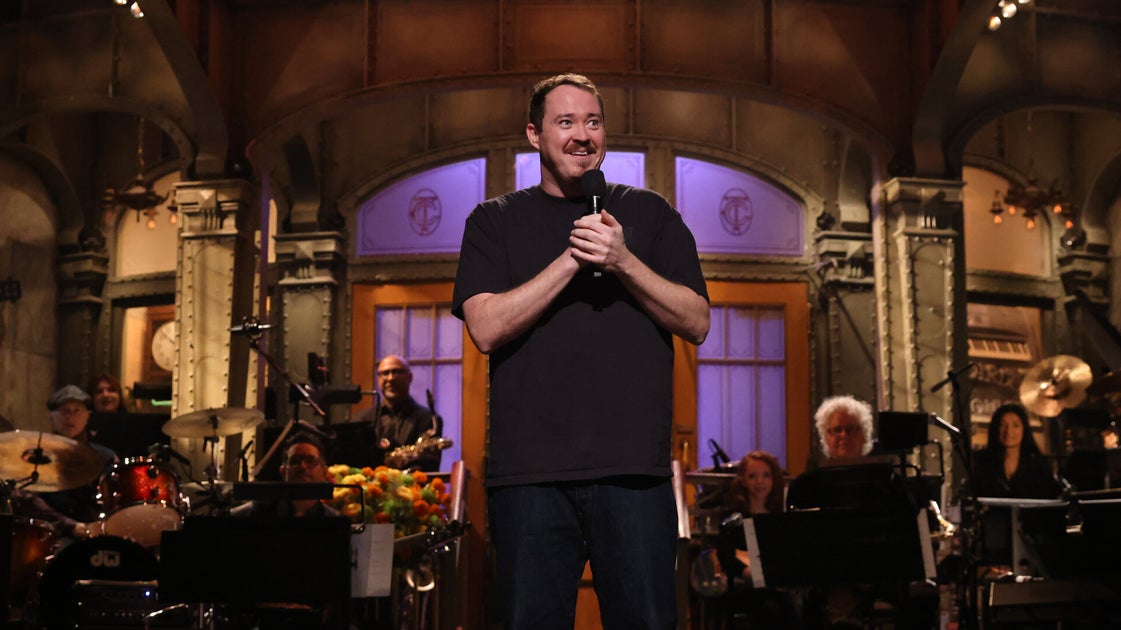

Shane Gillis hosted “Saturday Night Live” for the third time last week, causing a national stir with an opening monologue that name-dropped Joe Rogan and trotted out tired, sexist tropes that slut-shamed women for the clothing they choose to wear.
By now you’ve probably already heard the big takeaway: “Women dress like whores at the gym.” Because of shorts? The monologue also included a description of his own sisters as “fat bitches,” but that wasn’t the part that launched a thousand TikTok responses.
Not only was the monologue patently misogynistic, but it didn’t land — because, to be perfectly blunt, the jokes were not funny. At a moment when women are wrestling en masse with the implications of misogyny and rape culture in light of the sexual assault allegations at Cornell, describing women wearing workout clothes as “bait” was particularly tone-deaf. People rightfully responded with anger and disdain.
But it didn’t take long for the public outcry to turn into fat jokes, cracks about whether or not Shane Gillis has ever actually “been inside a gym” and general body-shaming of the comedian.
“This is not a defense of Shane Gillis. He deserves to be dragged. But why is it so many people’s first instinct to call him fat?”
This was upsetting but not surprising to me. As a fat person, especially a fat woman on the internet, I’ve learned through experience that the moment I say something that someone disagrees with, insults and “jokes” directed at my body, my appearance and my perceived health seem to become fair game.
When you are fat, people feel the need to remind you of it every chance they get. And then ask invasive and insulting questions regarding your health, your diet, your activity levels and why you think you deserve to exist publicly in a fat body.
These comments are expressed openly, and usually without consequence, accountability or any acknowledgment that they’ve done something wrong. You’re considered an open target when you exist in a fat body, no matter your sins.
This is not a defense of Shane Gillis. He deserves to be dragged. But why is it so many people’s first instinct to call him fat? Why, when someone says something offensive, do so many reach for fat jokes, as though being fat is itself a moral failing? As though a person’s body is evidence of their character?
If you’re calling out misogyny by making fun of someone’s body, congratulations. You’ve found a way to oppose one form of bigotry by participating in another. You can criticize a thousand legitimate things about someone’s words, actions and beliefs without dragging their body into it. “Punching down” at fat people by attempting to shame Gillis for his weight makes you no more progressive than he is.

No matter how abhorrent you find a person, attacking one person with fatphobic comments perpetuates the idea that it’s OK to talk to all fat people that way. You can’t dismantle one form of prejudice with another. You just show which kinds of cruelty you’re willing to tolerate and whose dignity you’re willing to sacrifice to prove a point.
When someone leaves a comment online telling a fat person they’re going to “die by 30,” as people regularly tell me without cause or reason, the outrage rarely matches the cruelty of their words. No one is losing sleep over the harm these comments might cause. No one is losing their job for making them, either. No one is rushing to demand accountability.
But the absence of outrage doesn’t mean the absence of harm.
Because the people absorbing these comments aren’t just the public figures you’re trying to humiliate. They’re the fat people like me who are reading your replies. The fat people quietly watching you preach body positivity one day and celebrate body-shaming the next. They’re the fat people learning, in real time, that your respect for them comes with terms and conditions. That you’ll defend their right to exist, right up until you decide to use them as a punchline. That using fatphobia as a weapon is fine, as long as the person on the receiving end is someone we don’t like.
I suspected I wasn’t the only one feeling this way, so I posted the question on Threads: “Fat people: how does it make you feel when you see people using anti-fat language (or fat shaming) when going after someone?”
Here are a few quotes from the 600+ replies I received.
“If you see a fat person who’s evil before you see an evil person who’s fat, you hate fat people more than you hate evil.”
“When I see people laughing at Gillis or Trump or whomever else for being fat, I think, they would love to laugh at me since I’m much fatter. Similarly if they talk about those people’s bodies being gross ― they’d find me grosser.”
“Furious. The person they’re shaming will never see it. And they don’t care enough about family, friends, and allies. They just want to call people names. As far as I’m concerned they’re just willfully ignorant bullies.”
“Fatphobia is the last ‘acceptable’ form of discrimination and even the most progressive voices will not/do not let it go. So for me, i know the world inherently does not value or respect me, no matter what side i stand on.”
You might think you’re making an exception for one person. But every fat person watching is learning what that exception means for them.

When you fat-shame people like Shane Gillis, or Donald Trump, or anyone else because you don’t like their character, it perpetuates the idea that being fat is synonymous with being ugly, undesirable, even evil. When you use fatness as a weapon against someone you believe deserves to be hurt, you’re reinforcing a culture that has always treated fat people as acceptable targets.
No matter how much you hate Shane Gillis, the truth of the matter is this: Fat-shaming the people you hate sets a precedent for fat-shaming the people you love.
Megan Ixim is an entrepreneur, advocate and all-around content creator focusing on body acceptance, fashion, food, sex education and branding. She likes to describe her work as “Just a woman trying to change the world, one post at a time.”
Do you have a compelling personal story you’d like to see published on HuffPost? Find out what we’re looking for here and send us a pitch at pitch@huffpost.com.