


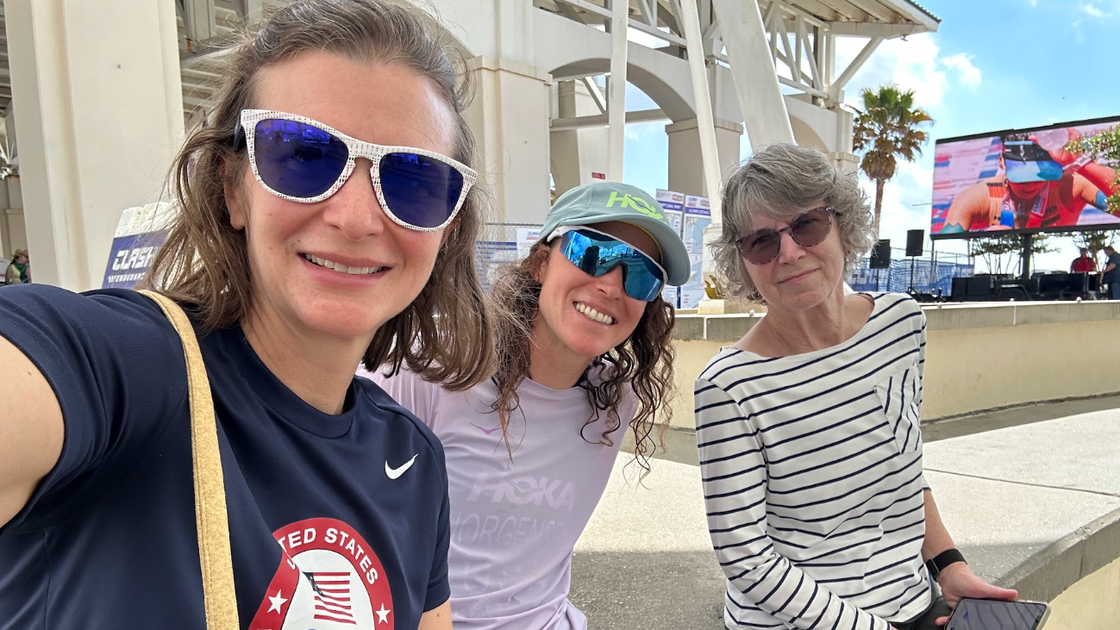
A few years ago, my daughter Gwen asked me to leave my life in Wisconsin and move to Colorado.
“I want weekly family dinners,” she said. “And for the boys to know their grandma and grandpa.”
I thought good mothers always said yes. And I spent decades proving it by scheduling family vacations around swim practices and adding viola lessons to an already full schedule. I sat in metal folding chairs at basketball practices, endured out-of-tune cellos at orchestra rehearsals, and sweltered in a natatorium waiting for the one-mile heat.
It wasn’t a sacrifice — it was my identity. And I took pleasure from my contribution to the successes, accomplishments and happiness of my children.
But this yes would cost me everything I’d built since they moved out of our home.
When I retired, I created a new life. Now, every week I meet with my Renaissance ensemble, accompany two professional musicians, write, and volunteer for a cultural society. Some activities are online, but the most meaningful parts of my life are connected to people in Wisconsin.
My ensemble is the same one I started decades ago. My piano collaborations are not so much about Brahms or Mozart as the friends who live up the street and walk over for rehearsal.

When I didn’t give Gwen an answer, she asked again.
“Mom, you and Dad could find a place close by, and we could see you both every day.”
I considered not just my Wisconsin friends, but Wisconsin family. My brother and I meet for lunch. My daughter Elizabeth and I play Irish music together and explore local craft breweries. My husband spends time with his Wisconsin siblings, too, and he golfs every week with buddies who share his obsession with Wisconsin courses.
Gwen’s request felt unbearable, and every answer felt unacceptable.
Of course I would enjoy weekly dinners for six and making oatmeal cookies with my grandsons, Stanley and George. Of course I would revel in reading bedtime stories and teaching two little boys how to play chopsticks on the piano. And I knew Gwen would be grateful for the help; she sends thank you notes in the mail and posts photos on Instagram after every visit.
How could we say no?
But what would happen to my own life? When does a mother earn the right to become herself again?
A few weeks ago, Gwen’s family, Elizabeth, her partner Josh, and my husband and I rented an Airbnb in Austin, Texas, for the weekend. I slathered sunscreen on Stanley and George, and then counted how long they could stay underwater in the pool. I studied an ant George held gently in his hand. My husband took Stanley for his first real round of golf. Every moment — grilled chicken at the Airbnb, reading bedtime stories before a nap, ice cream at the local walkup — reminded me that if we moved, there could be more days like these.
Then, the next week when we were at home in Wisconsin, Elizabeth and Josh joined my husband and me for a bike ride. Along the route, we stopped for margaritas and quesadillas on the patio of a Mexican restaurant. Back at our house, we unloaded the bikes and walked to the beer garden — and I realized that if we moved, there would be fewer days like these.

That week, as I played accompaniments for my friends, I understood that if I moved, these people would disappear from my everyday life, along with their stories of birding, their funny puns, and our commiseration over the state of politics. With my piano duet partner next to me on the bench — so close our arms touched — I thought how empty my life would be without Disney medleys and Christmas duets.
My husband and I talked with Gwen about the impossible situation of having to leave one daughter to be with the other.
“Then let’s get Elizabeth and Josh to move, too,” she said, but we all knew that was probably an impossible ask.
When they were young, my daughters needed me. Now, they simply wanted me, and that makes the dilemma somehow even harder.
There hasn’t been one dramatic conversation where we revealed a decision. It’s more layered than that. To emphasize the importance of my new life, I share photos and videos with Gwen. I FaceTime with my grandsons from the middle of a rehearsal so they can see the fiddles and drums. I say, “Gwen, if I moved, it would take years to rebuild my life.”
Each time we return to the subject, I feel a complicated rush of guilt and heartbreak — I think of George’s arms around my neck in a hug — but also the certainty that I’m protecting the life I’ve spent years building.
For now, I’m staying where I am. But Gwen’s invitation is open; circumstances could evolve, and I reserve the right to change my mind.

We may not be moving anytime soon, but we are scheduling more visits. Gwen called a few weeks ago and asked if we were free in October. She and her husband were going to be traveling, and she needed my husband and me to care for the boys. I added her dates to the calendar. I knew George would want to look at Halloween decorations and Stanley would ask me to invent math problems for him.
I’m available anytime Gwen needs me. And when she does, I will book a flight, pack my bag and fly to Colorado. I haven’t stopped saying yes. I’m just not saying yes to everything.
Nancy Jorgensen is a Wisconsin writer, educator, and musician. Her essays appear in HuffPost, Business Insider, Wisconsin Public Radio, and elsewhere. Her most recent book is a middle-grade sports biography, “Gwen Jorgensen: USA’s First Olympic Gold Medal Triathlete” (Meyer & Meyer). Find out more at NancyJorgensen.weebly.com.
Do you have a compelling personal story you’d like to see published on HuffPost? Find out what we’re looking for here and send us a pitch at pitch@huffpost.com.