


As the world considers how to respond to our changing climate, mayors have become even more critical in not only driving a global discussion but leading their cities toward more sustainable futures.
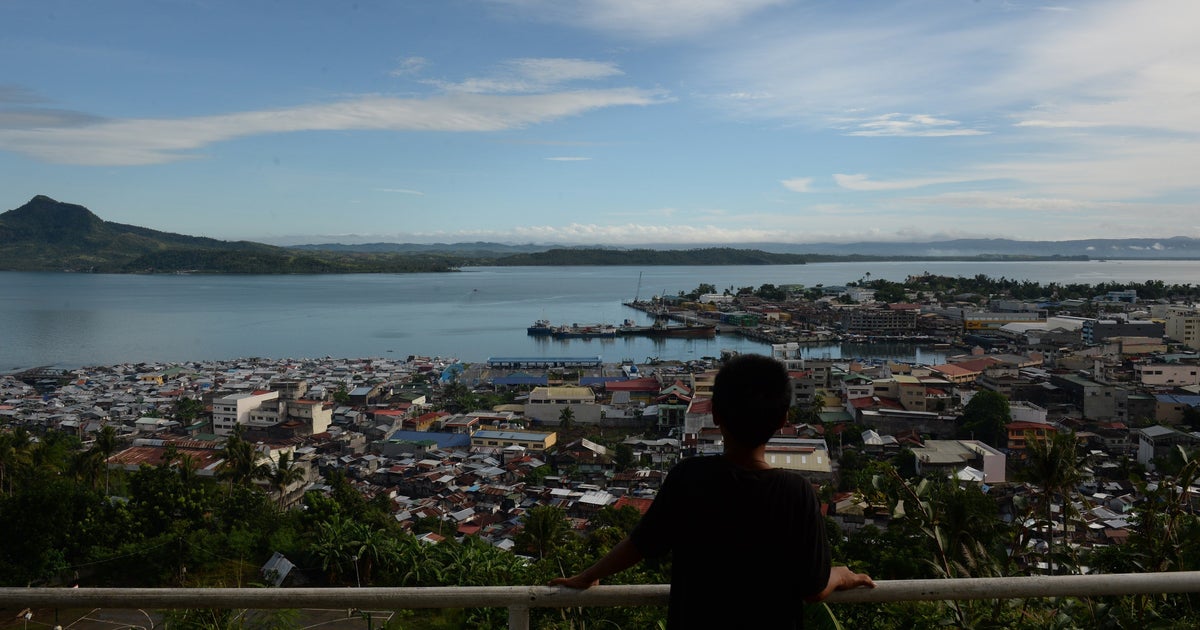
The vast majority of cities are located in coastal regions, putting their inhabitants at greater risks from rising sea levels and hurricanes. Urban residents look to mayors not just to respond to natural disasters but to increase the resilience of cities by implementing climate adaptation plans.
When the United Nations Climate Change Conference convenes in Paris on Nov. 30, a group of American mayors will be in attendance, representing 100 city leaders from across the United States who have committed to reducing emissions, tracking progress and preparing for the impact a changing climate will have on communities.
“Supporting a global climate agreement is critically important for cities around the world,” Ralph Becker, mayor of Salt Lake City and president of the National League of Cities, said in a statement back in August, when the mayors announced they'd be at the Paris summit. “I’m honored and encouraged that so many of my fellow city leaders have joined in this mission for their residents and the thousands of communities throughout the nation.”

In many ways, the increased role of mayors is common sense.
Cities have been where humans have congregated for commerce, culture and creativity for millennia. In the 21st century, cities have also become an important front in a global battle against the effects of our changing climate.
About 60 percent of the world's population will live in cities by 2030, accounting for the bulk of humanity's greenhouse gas emissions and energy usage.
“Cities are leading the charge against climate change, and one of the reasons is that they share so much in common -- what works for one city usually holds valuable lessons for many others," former New York City Mayor Michael Bloomberg, who now serves as the U.N. secretary-general’s special envoy for cities and climate change, said in a statement in September. "The more we help city leaders collaborate and share their wisdom, the faster they can make progress."
Urbanites are currently building upon initiatives that mayors of the planet's biggest cities steadily adopted over the past decade:
- Under former Tokyo Governor Shintaro Ishihara, Japan's largest city adopted a climate change strategy in 2007 that focused on increasing the use of solar power, adopting passive energy use in residences and reducing urban greenhouse gas emissions 25 percent by 2020.
- In 2007, under former Mayor David Miller's leadership, Toronto adopted an ambitious plan with a goal of reducing emissions by 80 percent by 2015.
- In 2008, under Bloomberg, New York City adopted a climate change action plan to reduce emissions and increase the city's resilience against storm surges.
- In 2008, Chicago announced a climate action plan under former Mayor Bill Daley.
- In 2009, under former Mayor Gilberto Kassab, Sao Paulo, Brazil, adopted a comprehensive climate change policy that focused on energy efficiency, land use, renewable energy and transportation.
- Under Mayor Boris Johnson, London adopted a resilience strategy in 2011.
This global list of cities with initiatives and goals could go on and on, but many cities don't have the deep pockets that nations do to carry them out. Others haven't given mayors the policy levers to force industries to change.
“The more we help city leaders collaborate and share their wisdom, the faster they can make progress.”
- former New York City Mayor Michael Bloomberg
To sell these plans, mayors must ground sustainable changes in transportation or energy systems in economic development and cost savings.
That's why efforts that convene multiple community stakeholders -- like the "Envision Charlotte" program in Charlotte, North Carolina -- matter.
Even though it was not politically feasible for Charlotte to pass an ordinance limiting greenhouse gas emissions, the city was still able to reduce energy usage by 16 percent in its 61 largest buildings in 5 years by getting powerful real estate and banking interests involved in changing habits at their local properties.
While survey data shows broad global concern about climate change and support for limiting emissions, partisan divides persist in the U.S., Australia, Germany, Canada and the United Kingdom. When partisan polarization gets in the way or national government response lags, local and state leadership become critical.
In the absence of congressional action in the U.S., President Barack Obama's climate agenda has specifically focused on building consensus and commitments from U.S. mayors.
In the years ahead, the public will see if local leaders can deliver substantive results, if national leaders cannot.
- What You Need To Know About The Paris Climate Summit
- After Years Of Lukewarm Climate Talks, Paris Cranks Up The Heat
- How To Talk To A Climate Change Denier
- Watch How Rising Sea Levels Could Swallow Coastal Cities
- Why Some Conservatives Still Won't Accept Climate Change Is Real
- The Devastating Consequences Of A 'Small' Rise In Global Temperatures
- Why This Goal To Curb Climate Change 'Is Not Ideal'
Donald "It's Cold Outside" Trump

“I believe in clean air. Immaculate air. But I don't believe in climate change." -- Sept. 2015
"It's really cold outside, they are calling it a major freeze, weeks ahead of normal. Man, we could use a big fat dose of global warming!" -- Oct. 2015
Ben "This Always Happens" Carson

"Of course there's climate change. Any point in time, temperatures are going up or temperatures are going down. Of course that's happening. When that stops happening, that's when we're in big trouble." -- Sept. 2015
Marco "Oh But The Jobs" Rubio
"America is not a planet." -- Sept. 2015
Ted "You Climate Blasphemers, You" Cruz
“Climate change is not science. It's religion." -- Oct. 2015
Jeb "Well Maybe, But I'm A Republican" Bush
“I don't think it's the highest priority. I don’t think we should ignore it, either." -- August 2015
Carly "I Worked With Scientists And They're All Wrong" Fiorina
“The only answer to this problem, according to the scientist, is a three-decade global effort, coordinated and costing coordinated effort. It's impossible, are you kidding? A three-decade effort, costing trillions of dollars, coordinated with current technology? It’ll never happen.” -- Sept. 2015
Mike "Um, Kaboom" Huckabee
"A volcano in one blast will contribute more than a hundred years of human activity." -- August 2015
Chris "Sure, But Nah" Christie
*But Christie has adamantly opposed New Jersey joining into a multi-state greenhouse gas initiative, calling it "a completely useless plan.” -- Sept. 2014
John "It's Your Kids' Problem" Kasich
"Do I believe there is something called climate change? I do. Do I think that human beings affect it? I do. How much? Not enough for me to go out and cost somebody their job." -- Oct. 2015
Rand "Doesn't Really Know" Paul
"Not sure anybody exactly knows why." -- April 2014
"Alarmist." -- April 2014
"I don't want to shut down all forms of energy such that thousands and thousands of people lose jobs.” -- April 2015