


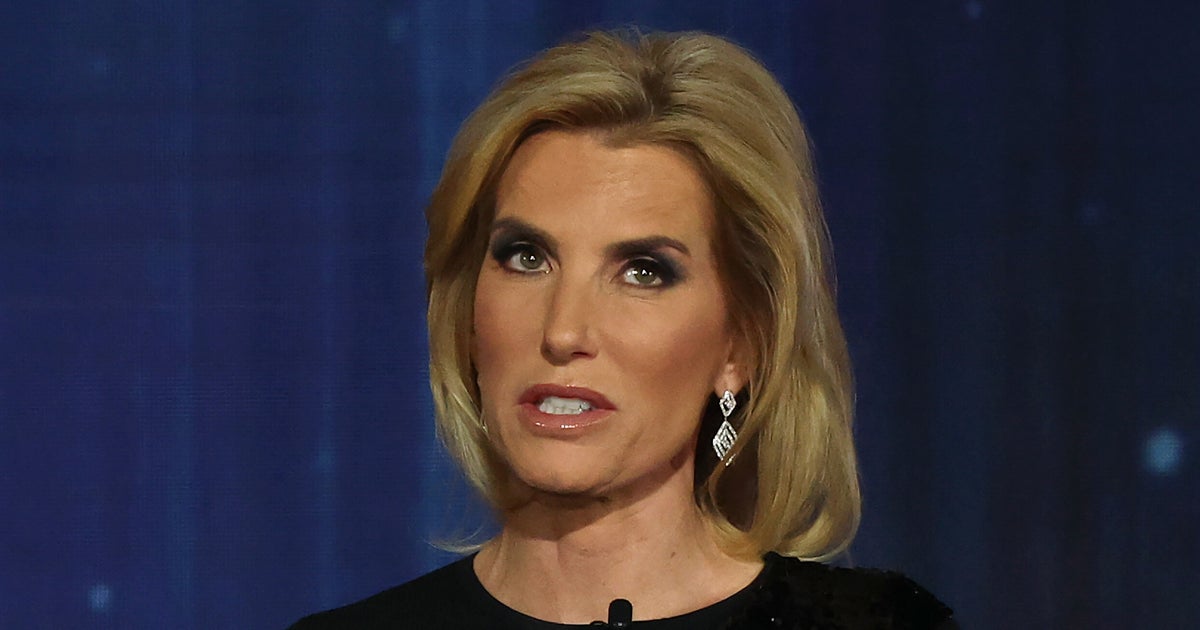
Fox News’ Laura Ingraham on Thursday took aim at Trump-favoring Federal Communications Commission chair Brendan Carr over his criticism of Jimmy Kimmel’s late night show’s suspension.
Carr, a Project 2025 contributor who has sought to use the FCC to punish broadcasters deemed unfair to Trump and conservatives, threatened to strip ABC of its broadcast license over Kimmel’s comments on the Charlie Kirk assassination.
“I personally think it would be best if Brendan Carr had just probably stayed off television yesterday and let the market do the work,” said Ingraham in an appearance on Fox News’ “America’s Newsroom.”
“I think the market is becoming very efficient with far-left comedians. I think their audience is shrinking, their influence is very narrow and these station groups were reacting to the audience.”
After FCC-approval-seeking Nexstar Media Group and Sinclair pulled Kimmel’s show from its ABC affiliates, Carr — who suggested that his agency could revoke affiliates’ broadcasting licenses the “easy way or the hard way” hours earlier — took to social media to thank the companies.
He later celebrated ABC suspending Kimmel’s show with a gif from “The Office,” according to CNN’s Brian Stelter.
Carr joins a number of other MAGA figures who are delighted over the suspension.
Kimmel sparked right-wing criticism when he remarked on the suspect in the Kirk assassination case during Monday’s monologue.
“We hit some new lows over the weekend with the MAGA gang desperately trying to characterize this kid who murdered Charlie Kirk as anything other than one of them and doing everything they can to score political points from it,” he said.
Ingraham argued that Kimmel has the right to “hate anyone he wants” and “say anything he wants,” but he doesn’t have the right to be on ABC if the network decides it’s not making money or offends half or more of its audience.
She declared that the suspension is not a “First Amendment issue” but rather a “smart business” decision on ABC’s behalf as network affiliates didn’t want to lose money with their audiences.
She went on to cite the Communications Act of 1934 — which has an obscure provision allowing presidents to shut down broadcasters in the interests of a “national emergency” or “national security” — before suggesting that “failure to serve public interest” could be grounds to cancel or revoke a broadcast license.