


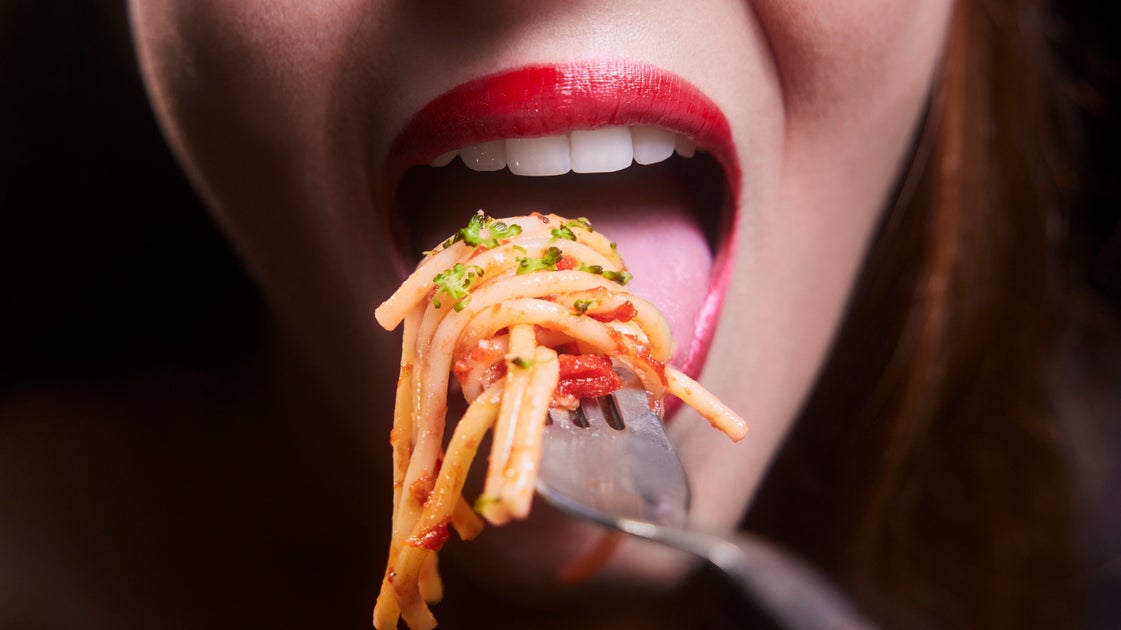
You may know the feeling. You’re full, you know you’re full, but there’s still a little something left on the plate. Maybe two forkfuls of pasta, a bite of chicken or the last morsel of a brownie. And even as your stomach protests, your brain whispers, “You can’t waste it.”
That little pang of guilt, the “last bite” guilt, is something most of us have absorbed so deeply we hardly notice it’s there. We push through, take the final bites and feel both satisfied and vaguely annoyed at ourselves for doing it. But this isn’t just about willpower or politeness. The urge to clear our plates runs deeper, woven into psychology, economics and even cultural history.
And no, contrary to popular belief, it’s not your mom’s fault.

One Common Origin: The Clean Plate Club
For decades, we’ve blamed parents for enforcing the “clean your plate” rule at dinner. But they weren’t just being controlling; they were products of their time. Post-war generations lived through food rationing and scarcity, where wasting food felt almost immoral. “Finish your dinner, there are starving children in the world,” wasn’t meant to guilt you; it was a reflection of real, lived anxiety about waste and survival.
The message, however, stuck. As prosperity and food availability increased, so did portion sizes. We have transitioned from the modest dinner plates of the 1950s to the 12-inch platters of today, with restaurants serving two or three times what the average person needs. Yet the same moral coding remains: leaving food means you’re ungrateful.
The result is a perfect storm of abundance colliding with a scarcity mindset. We may have more than enough, but our brains still act like we’re in danger of running out.
The Psychology Of ‘I Paid For It’ Is Also At Play
There’s also a powerful economic illusion at play: the sunk-cost fallacy. It’s the idea that once you’ve invested in something, whether it’s money, time or effort, you should “get your money’s worth,” even if it no longer benefits you.
That’s why we finish bad movies, stick with boring books and eat past the point of fullness. The $22 pasta feels “wasted” if you leave it behind, even though finishing it might leave you uncomfortable for hours.
Ironically, eating the extra bite doesn’t recover the money spent; it just compounds the loss by making us feel worse. But the emotional logic is hard to override. Our brains equate waste with failure, and so we override our internal hunger cues in the name of saving money.
Why It Feels So Personal
If this all sounds a little dramatic for something as inconsequential as finishing dinner, that’s kind of the point. Food isn’t just fuel; it’s identity, memory and emotion. Many of us grew up equating a full plate with care, comfort and even love. Wasting food can feel like rejecting all of that.
As psychologist Matthew Morand explained, “People who finish everything on the plate are doing more than filling their bellies. They also may be filling emotional voids, as food is numbing and definitely can release endorphins.”
But there’s another piece to the puzzle: control. In a world where so much feels uncertain, eating what’s in front of us can feel like a small act of completion. You might not be able to fix your inbox or global politics, but you can certainly clean that plate.
How To Reframe ‘Last Bite’ Guilt
The key isn’t to shame yourself for finishing the food, but to start noticing why you do it and to build a little mental space between impulse and action.
Here are a few simple cognitive reframing techniques Morand says can help:
- Redefine “waste.” The food is wasted whether it ends up in the trash or in your stomach when you’re already full. The only difference is how you feel afterward.
- Pause halfway. Check in before you’re done eating. Ask yourself, “If I stop now, will I feel deprived or satisfied?” This small moment of awareness breaks the autopilot cycle.
- Visual reset. Try serving smaller portions, using smaller plates, or boxing half your restaurant meal before you start. It’s easier to eat mindfully when you’re not overwhelmed visually.
- Compassion, not control. Don’t make leaving food another moral test. Practice saying, “I’ve had enough, and that’s OK.” That’s not waste, it’s self-respect.
Mindful eating isn’t about restriction; it’s about reconnection. It’s the quiet act of listening to your body over your programming.

Some People Have The Opposite Problem: The ‘One-Bite-Left’ Habit
Interestingly, some people have the opposite tendency, where they can’t bear to finish everything on their plate. Maybe you know someone (or you are someone) who always leaves a single bite of food uneaten, every single time.
This can originate from several different sources. For some, it’s a subtle rebellion against the clean-plate rule, a way of proving they’re not beholden to it. For others, it’s about self-control, a small gesture that says, I’m done when I decide I’m done. It can even reflect social etiquette — leaving a bit of food to signal you were served enough.
But sometimes, the “one bite left” habit is just another way control shows up. It can mask anxiety about eating, fear of judgment, or the need to prove restraint. Just like the clean-plate instinct, it’s worth asking: What story am I telling myself about finishing or not finishing this food?
Morand suggests, “Leaving that ‘last bite’ could result from feeling restraint or trying to maintain control subconsciously over things in life. It unfortunately can also be due to an emotional discomfort with eating itself, such as guilt and body image concerns.”
Whether you clear your plate or leave the last bite behind, the question is the same: are you eating from awareness or from autopilot?
Learn To Leave What’s Enough
It’s not your mom’s fault, or your culture’s, or your brain’s … it’s just conditioning. For most of human history, food scarcity was a real concern, and finishing your plate was a matter of survival. Today, abundance has changed the game, but our instincts haven’t quite caught up.
Breaking the “last bite” guilt isn’t about changing your appetite; it’s about changing your story: from one of obligation to one of choice.
Sometimes the most powerful thing you can do for your body and your brain is to take a deep breath, put the fork down, and say, “I’m good.” After all, you can always enjoy what you’ve left behind sometime later.
And maybe, for once, leave the last bite behind without the guilt.
If you’re struggling with an eating disorder, call or text 988 or chat 988lifeline.org for support.