


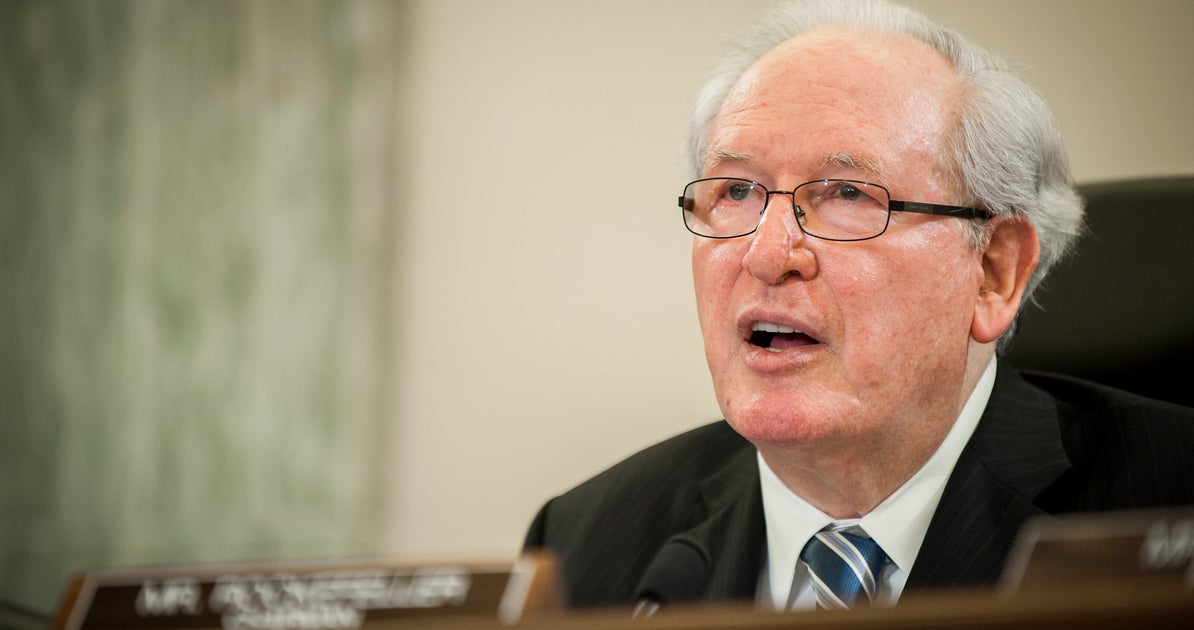
Former U.S. Sen. John D. “Jay” Rockefeller IV (D-W.Va.) has died at age 89, The Washington Post and Associated Press report.
He died Thursday night at his home in Washington, said Mary Stewart, vice president for external affairs at WETA, the public broadcasting station where Rockefeller’s wife, Sharon, serves as president and CEO.
Rockefeller served as West Virginia’s senator 1985 to 2015, using the platform to help protect America’s cybersecurity infrastructure, consumers’ rights and coal miners’ safety.
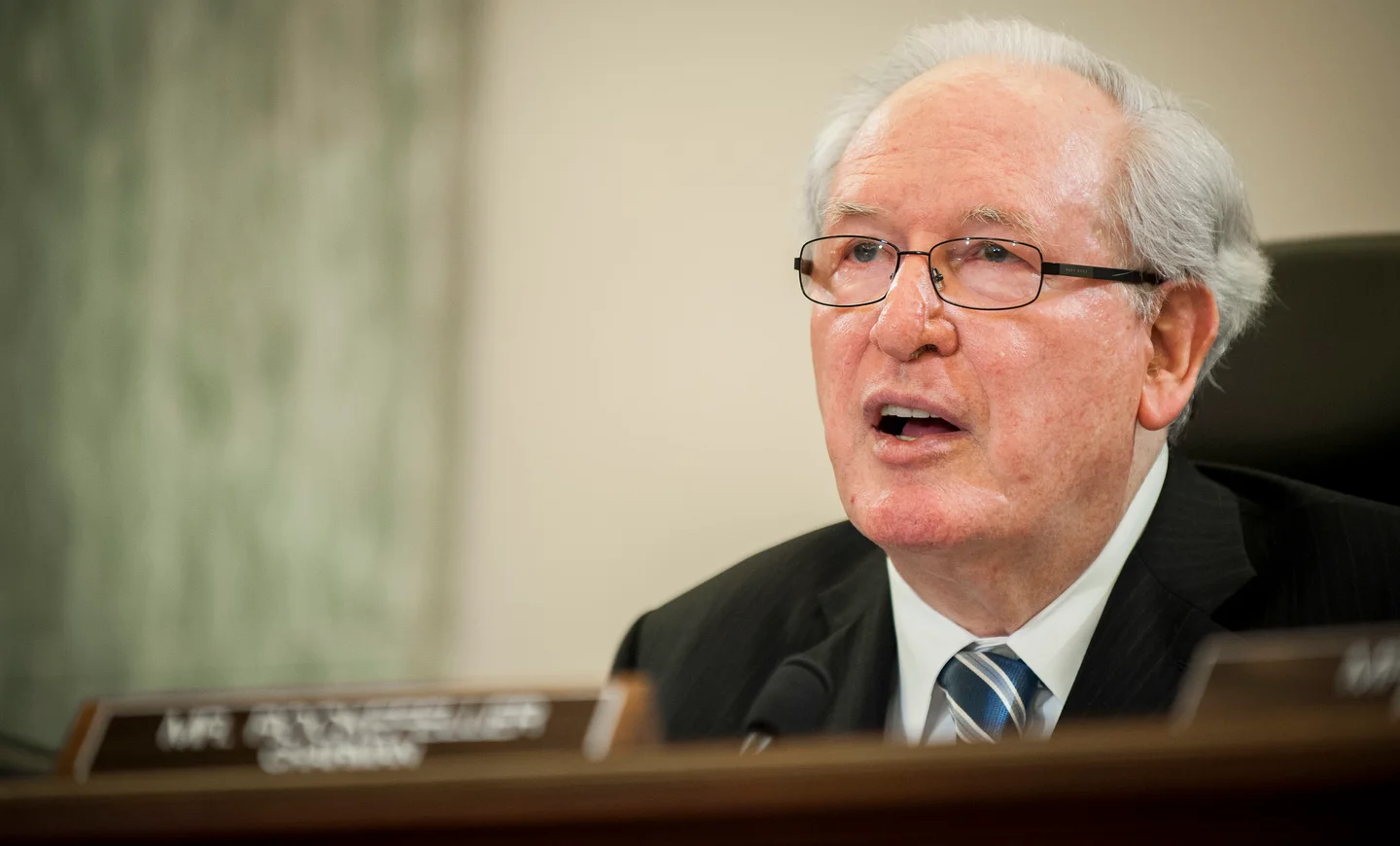
Tributes poured in Friday via social media from West Virginia legislators, including Republican leaders in the state Rockefeller once represented as a Democrat.
Sen. Shelley Moore Capito (R-W.Va.), who won Rockefeller’s Senate seat when he retired, called him “a true gentleman” and said the two had built “a wonderful friendship that transcended politics.” Sen. Jim Justice (R) said Rockefeller had “made a difference in countless lives.”
Gov. Patrick Morrisey (R) praised Rockefeller’s work on healthcare and his efforts to protect coal miners and support veterans, saying in a statement that his work “left a lasting mark on the lives of generations of West Virginians.”
Former Sen. Joe Manchin, who also served as West Virginia’s governor and overlapped with Rockefeller in the Senate, said in a post on X that he looked up to him as a mentor and friend.
“He adopted us and we adopted him as a true West Virginian,” Manchin wrote.

Rockefeller was born in New York City on June 18, 1937, to a well-known and wealthy family; his great-grandfather, John D. Rockefeller, was the co-founder of Standard Oil and became the world’s first billionaire in 1916.
Jay Rockefeller was not the only politician in the family ― one of his uncles, Nelson Rockefeller, served as vice president of the United States under Gerald Ford and was the 49th governor of New York. Another uncle, Winthrop Rockefeller, served as the 37th governor of Arkansas, and was the first Republican to hold the office after Reconstruction.
Rockefeller earned his bachelor’s degree from Harvard University in 1961 and enrolled at Yale University for graduate studies. He dropped out before completing his master’s degree, however, to serve as an assistant to Sargent Shriver, the first director of the Peace Corps. Rockefeller was the first director of the Corps’ program in the Philippines.

Rockefeller moved to the Mountain State in the mid-1960s as part of the Volunteers in Service to America (VISTA) program. He was elected to the state House of Delegates in 1966 and became West Virginia’s secretary of state in 1968. In 1973, after losing a race for governor to Republican Arch Moore, Rockefeller was named president of West Virginia Wesleyan College.
“There was a lot of feeling that he wouldn’t stay [in West Virginia] after he lost the election,” United Mine Workers of America President Cecil Roberts told People magazine for a 1983 profile of Rockefeller. “But he did stay, and people’s opinion of him changed.”
In 1976, Rockefeller again ran for governor and won, going on to serve two terms in the position. In 1984, he won a seat in the U.S. Senate, kicking off his 30-year career on Capitol Hill.
Rockefeller joined the Council on Foreign Relations as a distinguished fellow in January 2015 after retiring from the U.S. Senate. He donated his archives from his time as a senator to West Virginia University, which opened an exhibit on his legacy in April 2016.
CORRECTION: A prior version of this article inaccurately stated that Rockefeller was the longest-serving senator from West Virginia.