


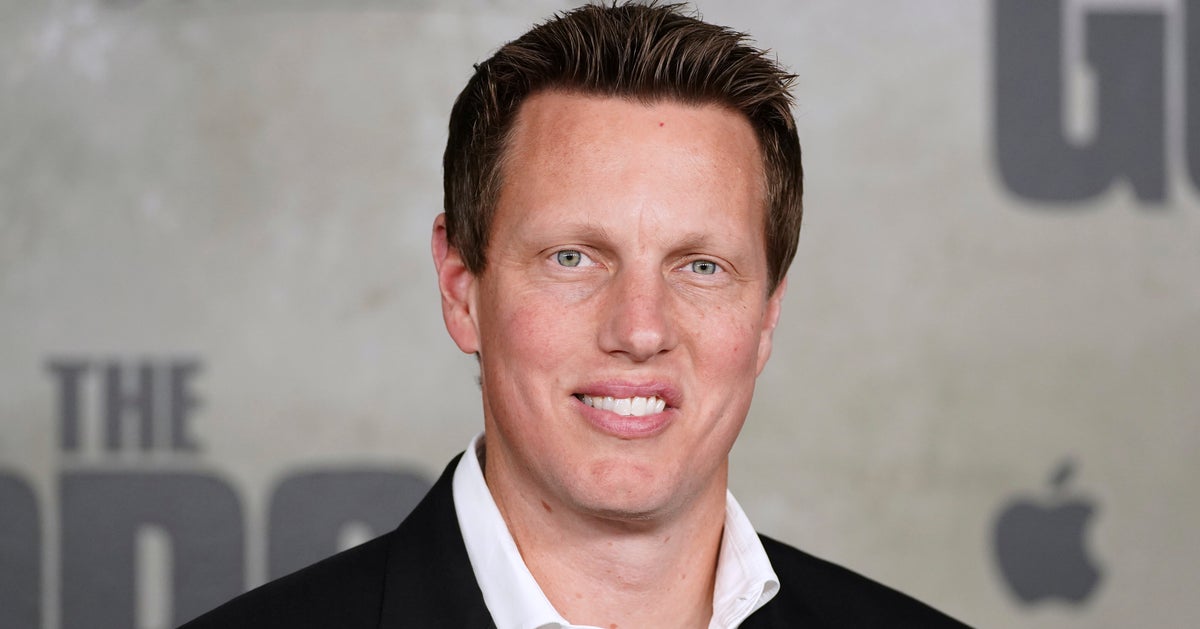
Warner Bros. shareholders overwhelmingly voted to approve a major deal that would merge the old Hollywood juggernaut with Paramount Skydance, a mass media conglomerate headed by a close ally of President Donald Trump.
So close are they, in fact, that Paramount CEO David Ellison is reportedly set to “honor” the president at an “intimate” dinner on Thursday evening, just as Trump’s administration is weighing whether or not to approve the $110 billion takeover. Two nights later, a pair of top Trump administration staffers — Defense Secretary Pete Hegseth and deputy chief of staff Stephen Miller — will be Ellison’s guests at the White House Correspondents’ Dinner, attending with CBS News, which Paramount owns.
David Ellison’s father, Larry Ellison, is the sixth-richest person in the world and a major Republican donor. Trump has called the father-son duo “friends of mine” and “big supporters of mine.”
Together, the Ellisons wield enormous power over American politics and mass media. Their influence will grow further now that shareholders have approved this new deal, which is expected to be finalized later this year.
Thanks to this and earlier dealmaking, the Ellisons will soon perch atop a mountain of networks, studios and platforms that include:
TikTok
Warner Bros. (including New Line Cinema and Castle Rock Entertainment)
Paramount
DC Studios
The Discovery Channel
CBS (including news and sports)
HBO
BET
Fandango
Rotten Tomatoes
Nickelodeon
MTV
Cartoon Network
Food Network
Travel Channel
Investigation Discovery
Animal Planet
Comedy Central
Showtime
TBS
TLC
HGTV
And more.
“This is oligarchy,” wrote Sen. Bernie Sanders (I-Vt.) in a March post on X that mentioned many of the above properties.
John Bergmayer, legal director of the nonprofit public-interest group Public Knowledge, told HuffPost he would have opposed Netflix’s proposal to acquire Warner Bros., too, because he advocates for greater consumer choice. But that deal may have been slightly less of a problem for regulatory agencies, he suggested, given that Netflix is primarily seen as a content distributor — a more vertical deal, versus the more horizontal Paramount-Warner Bros. arrangement.
The big question, of course, is what impact this may have on the U.S. media landscape.
Will there be less professional content created in a world where Paramount and Warner Bros. are merged, and will that content be ideologically shifted to the right? What information will be shared or not shared? What will be treated as a settled fact or a subject of hot debate? What stories will be told or not told? Whose perspectives will viewers be able to see and hear from?
The Ellisons do not tend to advertise their political opinions, but their recent actions may indicate how they seek to operate in the future.
Publicly, David Ellison has denied that his takeover would make a news network like CNN “more beholden to the Trump administration,” telling CNBC in March that “editorial independence will absolutely be maintained.”
“It’s maintained at CBS; it’ll be maintained at CNN,” he said.
But Ellison’s CBS takeover — which came as part of his company Skydance’s previous merger with Paramount Global — has already set off a series of alarm bells.
Ellison announced back in October that The Free Press, a right-wing website, would be folded into CBS News, and its founder, Bari Weiss, would take over as CBS News’ editor-in-chief. Weiss is a staunch conservative whose tenure so far has notably included the axing of a “60 Minutes” story that would have painted the Trump administration’s immigration policy in a negative light by describing human rights abuses. (The program eventually aired in January.)
Even before Ellison meddled in the CBS newsroom, the network made a shocking decision to cancel “The Late Show with Stephen Colbert,” hosted by one of Trump’s sharpest late-night critics. Many saw the move as a sweetener as Trump’s administration weighed whether to approve Ellison’s Paramount-Skydance merger.
Hegseth slipped in something of a threat to CNN in a press conference last month, trailing off as he told reporters, “The sooner David Ellison takes over ...”
The specter of a Paramount-Warner Bros. conglomerate has deeply concerned industry insiders and media observers.
More than 4,000 Hollywood actors, writers and directors signed a letter last week in strong opposition to the deal.
“We have witnessed a steep decline in the number of films produced and released, alongside a narrowing of the kinds of stories that are financed and distributed,” the letter said. “Increasingly, a small number of powerful entities determine what gets made — and on what terms — leaving creators and independent businesses with fewer viable paths to sustain their work.”
“Competition is essential for a healthy economy and a healthy democracy. So is thoughtful regulation and enforcement,” it continued. “Media consolidation has already weakened one of America’s most vital global industries — one that has long shaped culture and connected people around the world.”
Last year, Warner Bros. was the studio that turned out two of the most-feted films of the awards season: “One Battle After Another” and “Sinners,” one a film where the protagonists are a bunch of left-wing guerrillas, and the other a supernatural flick written and directed by — and starring — a bunch of Black folks in an age where “DEI” is a liability.
We likely won’t know the full impact of the merger, because part of it will manifest in absence — the stories, perspectives and projects that won’t be given the green light to production.
“It’s a loss of opportunity, a loss of voices,” Bergmayer said.
But if the Trump administration won’t stop the deal from moving forward, it could come down to the courts.
“I think that there’s a pretty substantial case that this violates antitrust law,” Bergmayer told HuffPost, adding that he expects to see some “substantial challenges.”
There is some reason to be hopeful: A coalition of state attorneys general persuaded a federal judge to halt the merger of local television corporations Nexstar and Tegna just last week.