


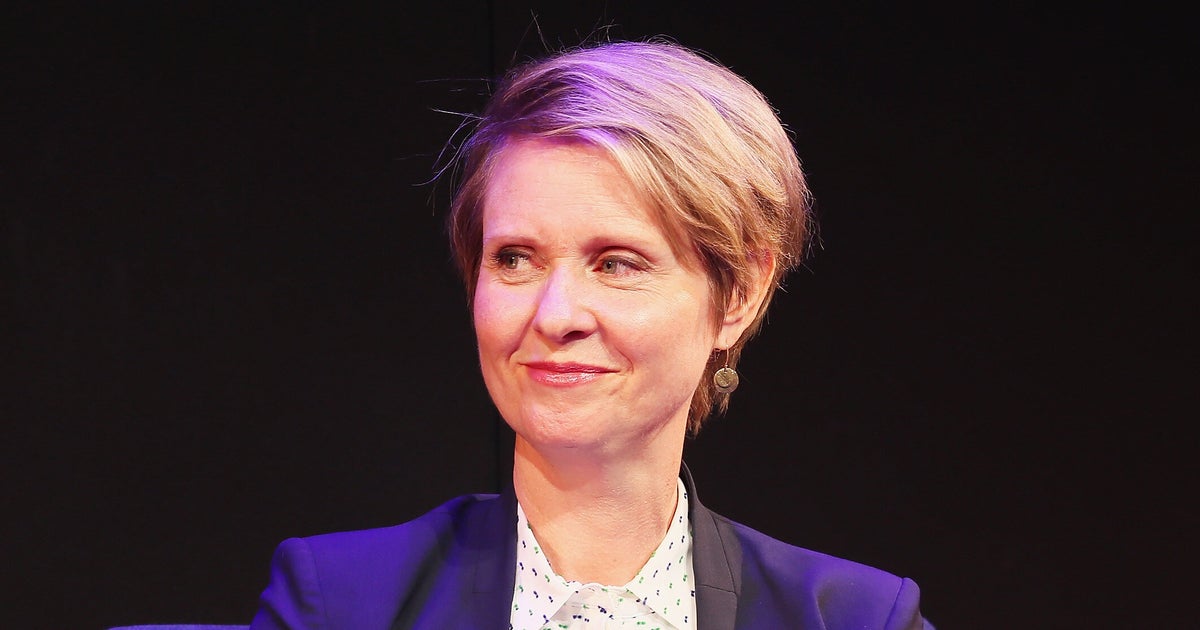
Cynthia Nixon discovered a few things about “Sex and the City” on a recent rewatch.
The actor told Grazia magazine that she rewatched the hit series before production started on “And Just Like That...”
According to the outlet, Nixon said that 90% of things were “still pretty great,” though “certain things have not aged well.”
“It was always very difficult being on a show that was so white. I always hated that,” Nixon shared in the feature, published on Monday. “When we would raise it, we were told: this is Candace Bushnell’s world and it’s a very white world. I’m like, OK...”
In addition to the overwhelming whiteness, Nixon explained that “some of the trans stuff, some of the gay stuff was a little cringy to look at.”
But, Nixon pointed out that the show was still revolutionary in many ways.
“What you have to remember is that we were in our thirties and forties,” she said.
“Of course, I look at the show now, we look like babies, but being single at that age, at that time, still had a kind of stigma.”
The show also projected fairly radical messaging for a single woman, Nixon said.
“You can be a woman, you can have a lot of sex with a lot of different people. It didn’t make you a slut and it didn’t mean you were using sex to get something,” she shared. “You were having sex — because you enjoyed having sex!”

“Sex and the City” wasn’t the only show in the late 90s and early 2000s that struggled with a lack of diversity.
Marta Kauffman, one of the co-creators of “Friends,” has since apologized for the show’s focus on its six white characters, who rarely interacted with other people of color.
“I’ve learned a lot in the last 20 years,” Kauffman told the Los Angeles Times in an interview in 2022. “Admitting and accepting guilt is not easy. It’s painful looking at yourself in the mirror. I’m embarrassed that I didn’t know better 25 years ago.”