


PENANG, Malaysia – The buzz of a single mosquito flying around Oo Boon Siew’s living room is enough to make his family jump in terror. It wasn’t so long ago that these tiny insects disrupted their tranquil life and nearly killed Oo.
Once a well-travelled education consultant, Oo now lives on the Malaysian island of Penang with his wife and son. His joints frequently swell and ache, a physical reminder of the events that brought him to the edge of death.
Over the course of just a few weeks in 2009, Oo fell victim to a staggering sequence of viruses. First, he was infected with the flu-like dengue fever, fairly common in this part of the world. Then he caught the less common chikungunya, which is similar to and often confused with dengue but can cause disfigurement and disabling joint pain that persists for years. Finally, he caught a more severe strain of dengue and nearly died.

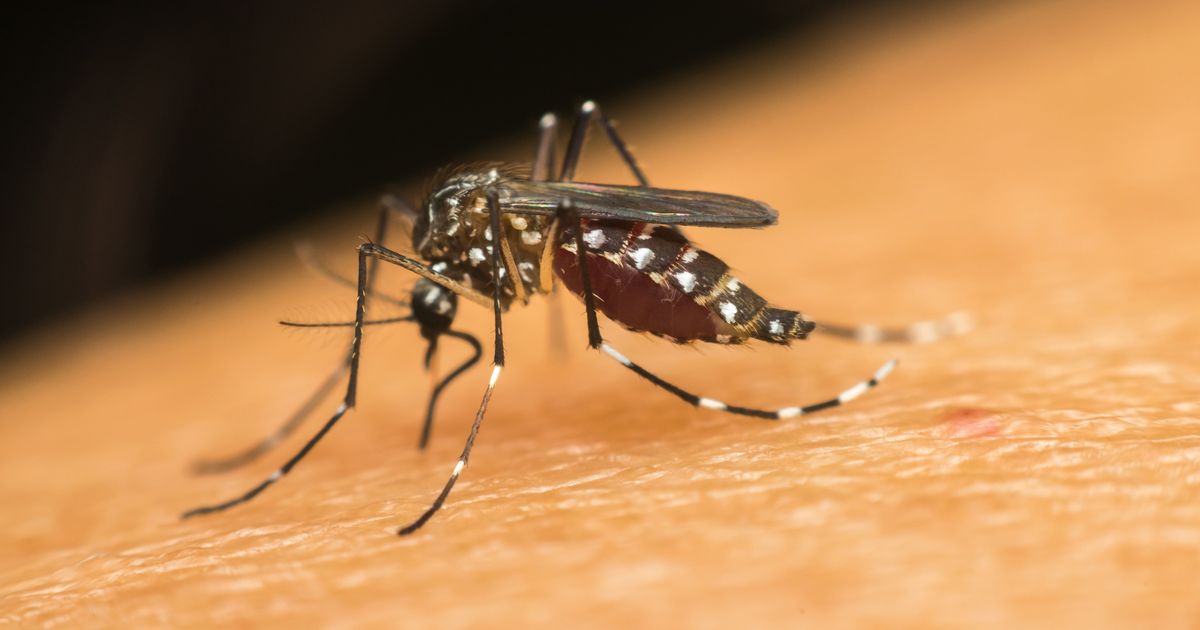
There is no cure for dengue or chikungunya, and both spread via the same two species of mosquito that carry the Zika virus.
Though Oo’s experience was unusual, it illustrates how these mosquito-borne diseases spread on the backs of urbanization, globalization and climate change. Such illnesses, which have expanded across the world increasingly in the past decade, are making inroads into Europe and the Americas, raising fears among experts that outbreaks could become more severe.
The legacy of Oo’s illnesses are still evident in his family’s home. The family always keeps two large cans of insecticide at hand. Oo’s son, Adrian, even decided to research chikungunya for his doctorate.

And then there are the memories.
When Oo first fell ill with dengue, his temperature was so high that he stayed in the hospital for a week. After a couple more weeks, he was sick again ― they thought it was related to the dengue, but his joints were swollen and his eyes hurt. When his temperature spiked, he went back to the hospital and tested positive for chikungunya, which was then sweeping through his neighborhood.
“My hands hurt so much that I couldn’t hold a spoon,” Oo said of his chikungunya. “I couldn’t hold a cup.”
He recovered quickly after the first week of chikungunya, but only weeks later a third mosquito bite delivered a dangerous form of dengue. Oo had never felt so sick. Doctors told him he’d need blood transfusions to keep him strong while the virus raged inside him.
That last fight was the toughest. But at least he recovered. Others have not been so lucky.