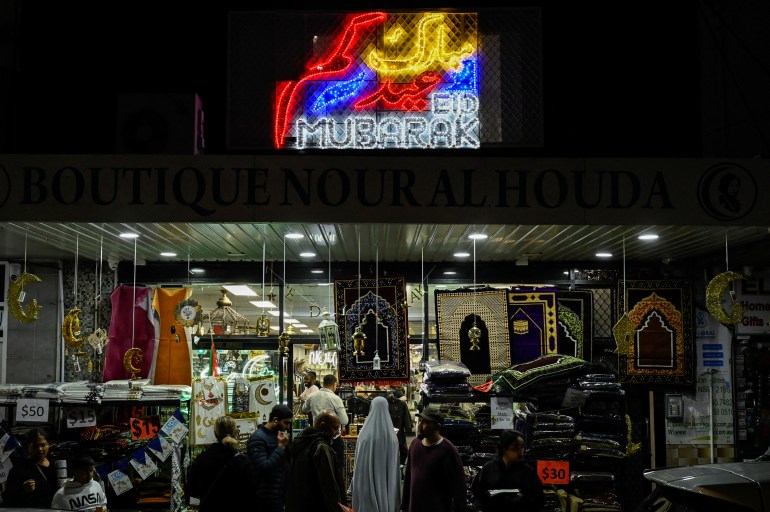

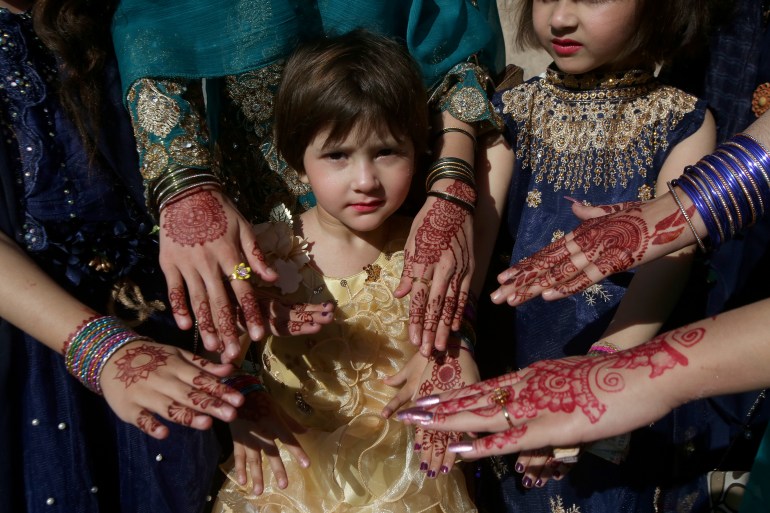
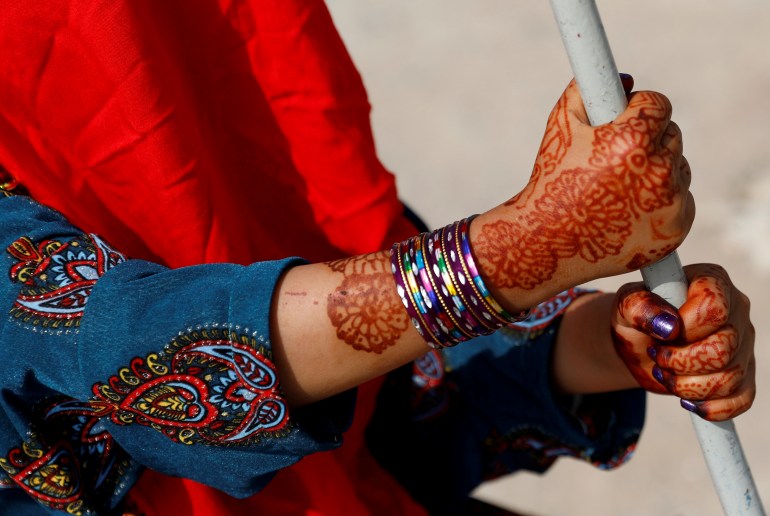
Freshly pressed clothes in all styles and hues, the careful precision of women painting henna designs on hands, streets teeming with people distributing meat and those receiving it, the aroma of specialty foods being prepared, and rows of the faithful bowing in congregational prayer.
These are some universal sights as Muslims around the world celebrate Eid al-Adha, one of two major holidays in the Islamic calendar. This year it is likely to begin on June 28, its date to be confirmed upon the sighting of the moon.
Recommended Stories
list of 4 items- list 1 of 4Fighting continues in Sudan’s capital after army announces truce
- list 2 of 4Eid al-Fitr celebrations in Indonesia, Malaysia after COVID-19
- list 3 of 4Palestinians in Gaza welcome Eid al-Fitr
- list 4 of 4This Eid, we remember Syria’s disappeared
Known as the Feast of the Sacrifice, the holiday falls at the end of the annual Islamic pilgrimage of Hajj, where thousands flock to Saudi Arabia each year to visit Islam’s holiest site in Mecca.
Eid al-Adha is the commemoration of the Quranic tale of Prophet Ibrahim’s willingness to sacrifice his son Ismail as an act of obedience to God.
Muslims believe that before he could carry out the sacrifice, God provided a ram as an offering instead. In the Christian and Jewish telling, Ibrahim is ordered to kill another son, Isaac.
As such, the holiday is celebrated with the slaughter of goats, cows, sheep, and other livestock, which is shared with family, friends, and the poor.
Over time, despite many shared traditions, Muslims in different countries have developed Eid customs that are distinctly their own, combining regional cultural practices with the celebration of the religious holiday.
Here are some Eid traditions around the world:
Middle East
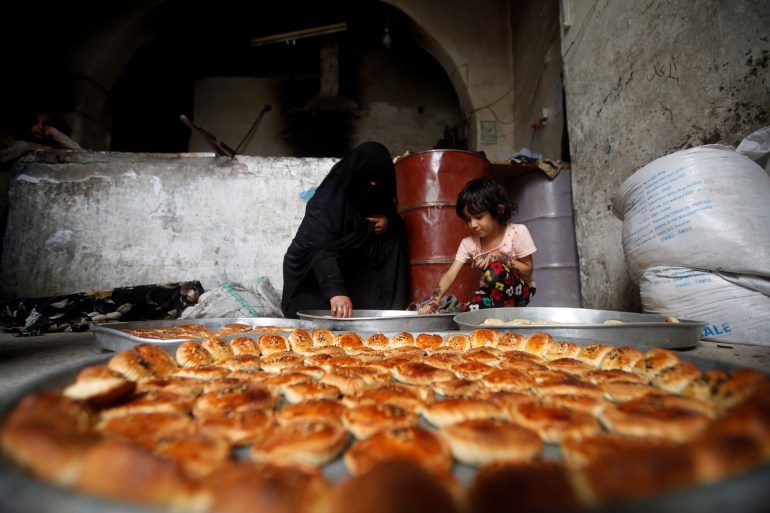
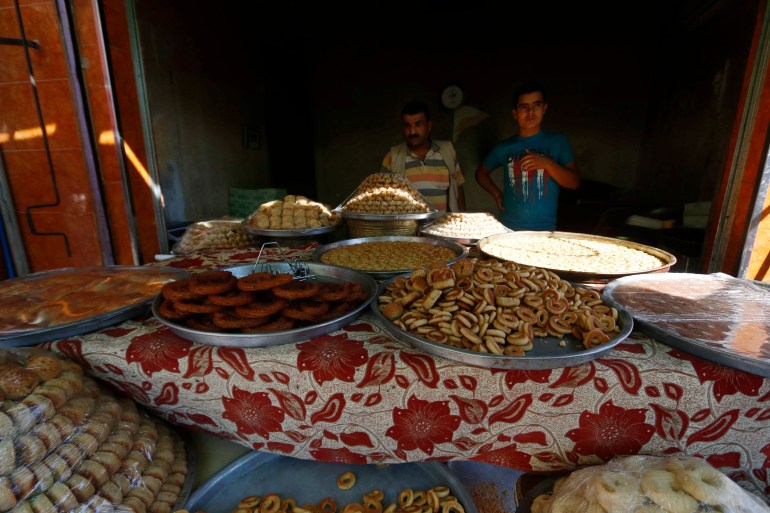
From Yemen to Syria, traditional sweets are prepared, with food an integral part of all Eid celebrations. Many communities have traditional snacks and dishes that are prepared solely for the holiday.


Asia
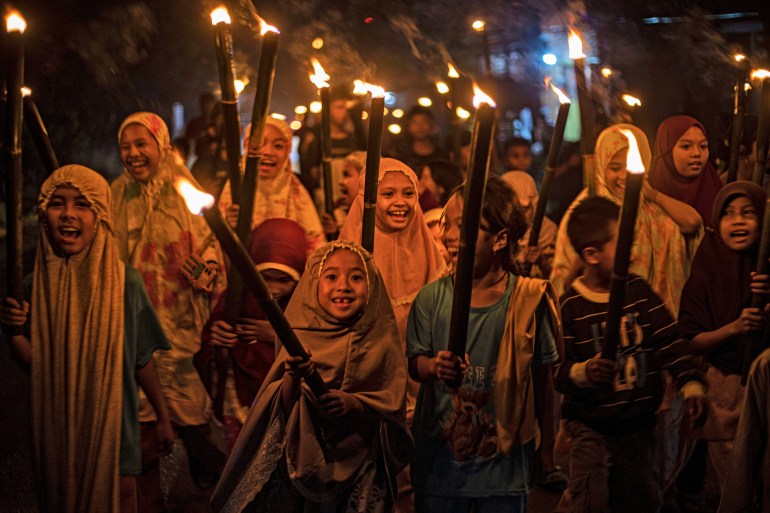
From lighting incense to torches, celebrations in East and Southeast Asia are a sensory experience.

Africa
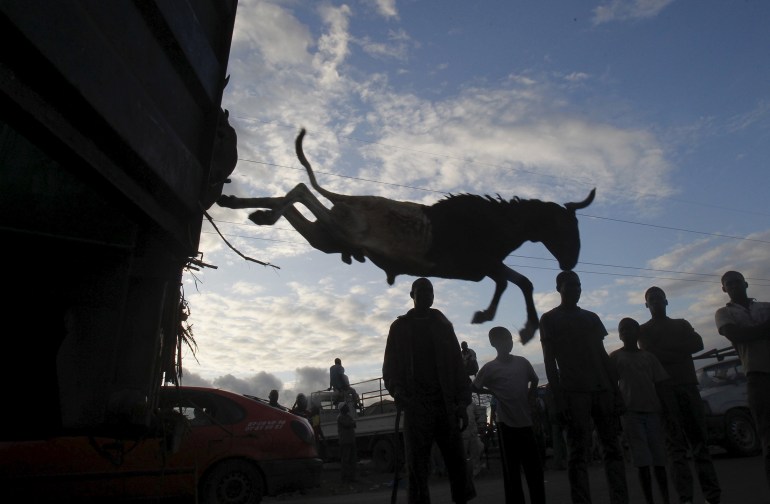
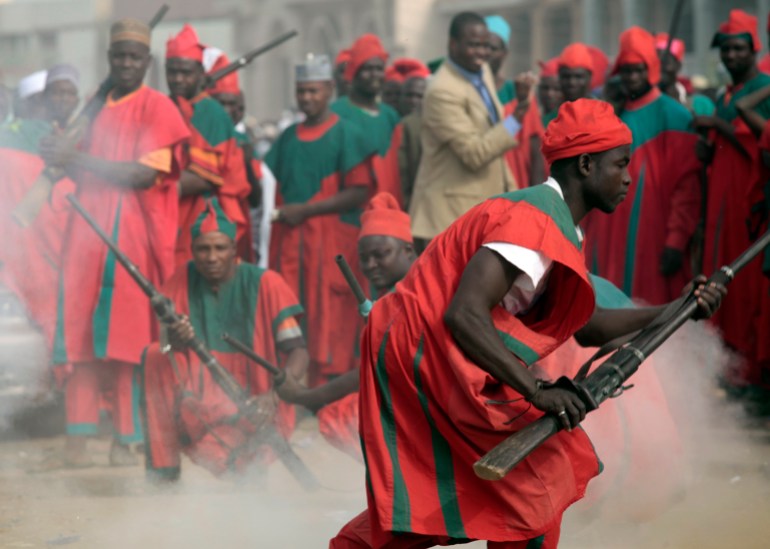
From the Ivory Coast to Kenya, and elsewhere in many Muslim countries, livestock is slaughtered in public, and the practice is sometimes a spectacle for crowds.


Latin America
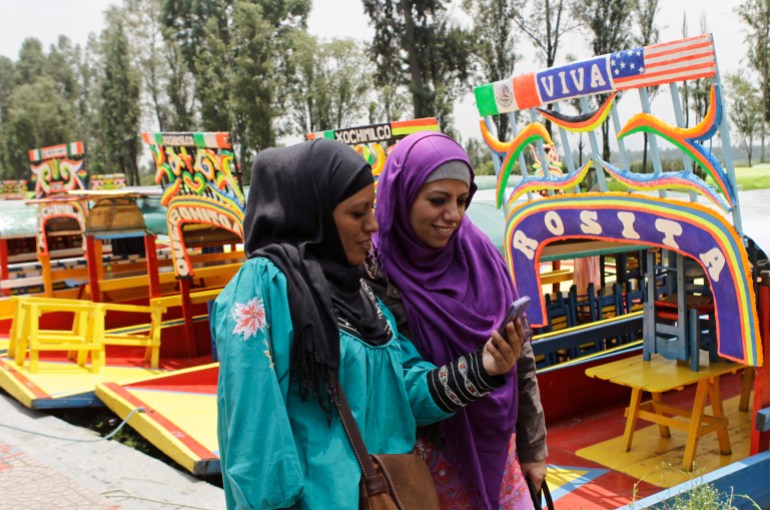
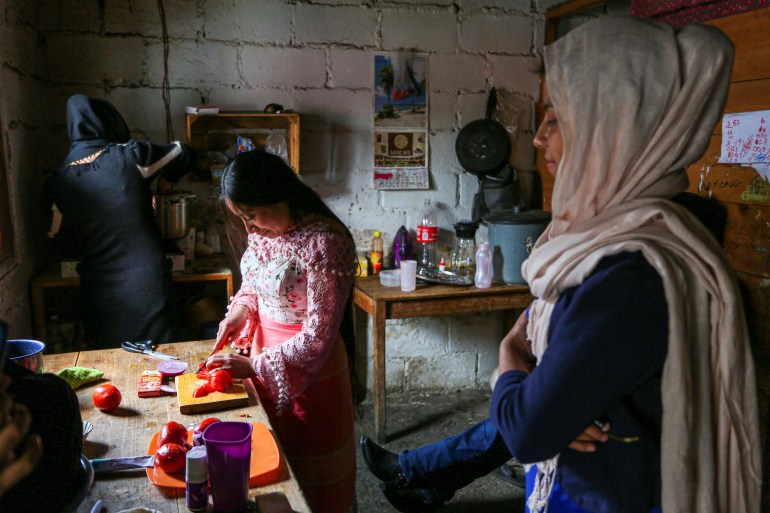
According to the Pew Research Center, there are roughly six million Muslims in Latin America, although they warn the figure could be inflated. A minority religion in the region, it is celebrated by both immigrants and people indigenous to the country. In Mexico, for example, while Muslims are less than 0.2 percent of the population, according to the 2020 government census, immigrants and Mexicans converting to Islam make up the Muslim community there. Eid celebrations revolve around food, prayer, and family time.
North America
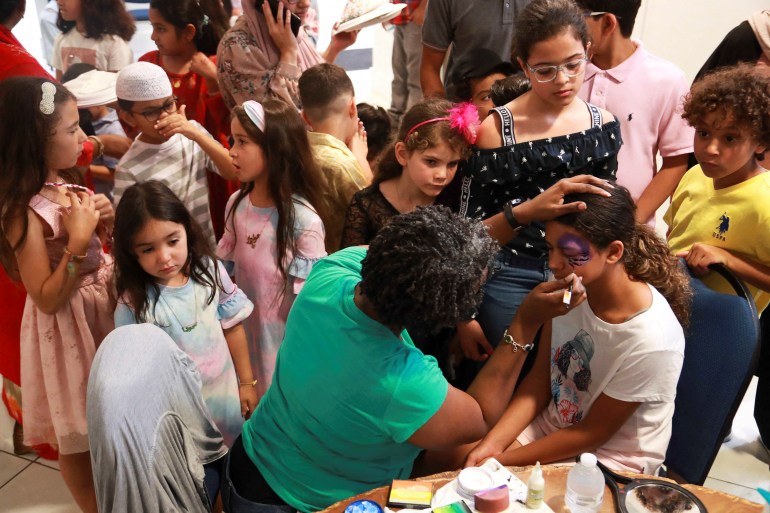
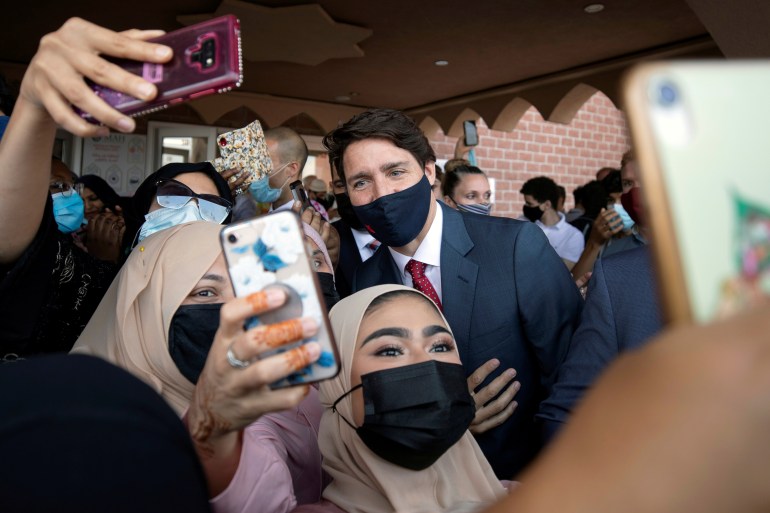
According to the Pew Research Center, there are nearly four million Muslims in the United States. Canadian government data from 2022 puts the number at more than 1.7 million in Canada. The two nations are host to vibrant immigrant communities who bring Eid traditions from their home countries, with mosques drawing multicultural gatherings on Eid mornings.
Europe
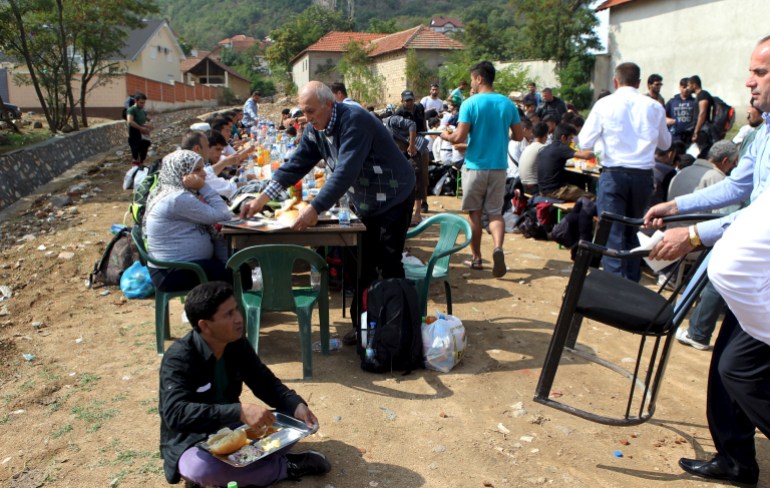
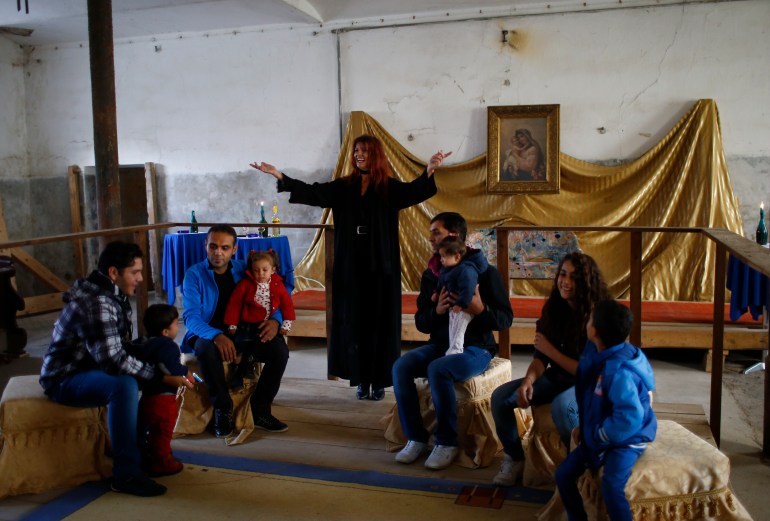
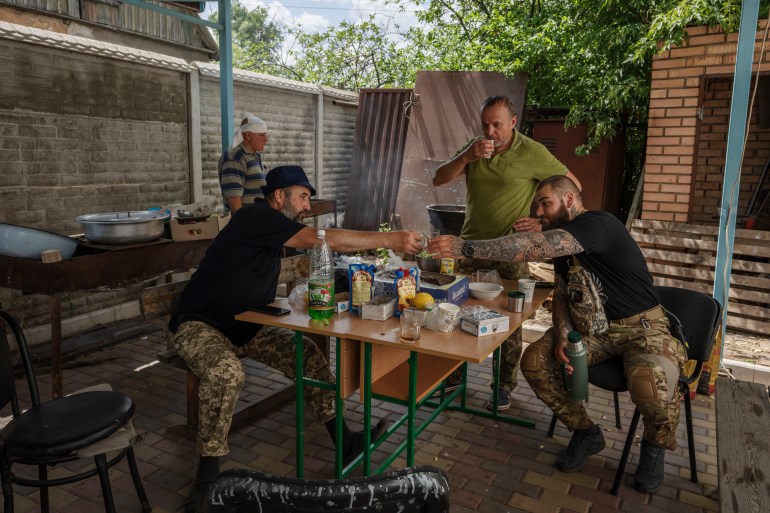
Minority communities, including refugees and immigrants, celebrate Eid across the continent. Those fleeing violence or persecution from parts of Africa, Asia, and the Middle East will celebrate the occasion thanks to provisions from aid groups.
Australia
According to 2021 government figures, More than 800,000 people in Australia are Muslim, many part of immigrant communities. Shops selling clothes and decorations pop up in Sydney, while guests and new converts are welcomed to partake by local Muslim groups.